Dr. Ciaran Smythe
Board-certified dermatologist
Founder, Solas Restorative Dermatology and Solas Medical
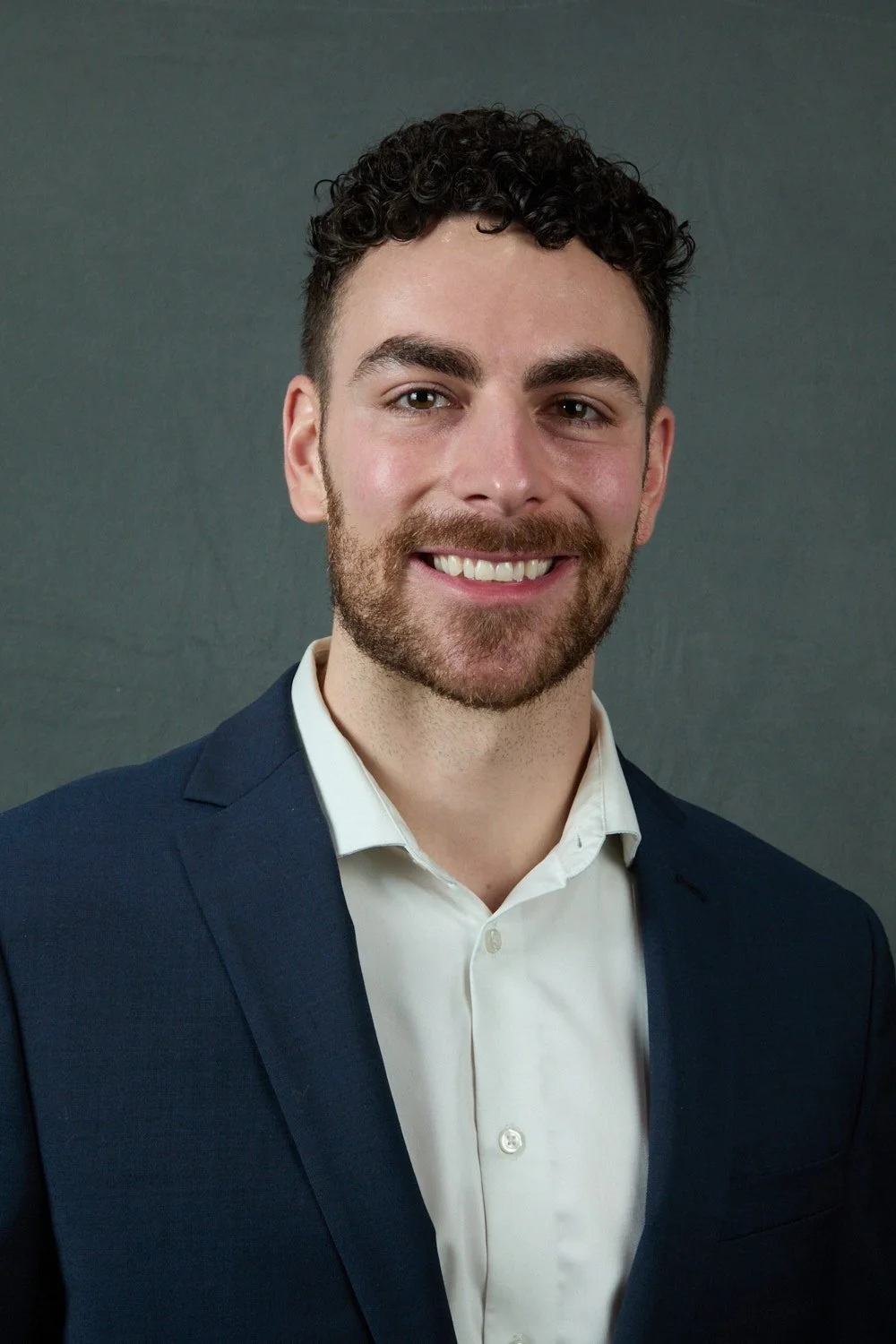
If you’ve had a laser consultation before, you were probably told what a device could do for you, but not how it works or whether its claims actually hold up. Often, they don’t.
I grew up in the Pacific Northwest, studied physiology at the University of Oregon, and followed my mother into osteopathic medicine at Western University, where I graduated valedictorian. I started residency in orthopedic surgery before switching to dermatology. It sounds like a major pivot, but what drew me to both was similar: precise work where outcomes depend on understanding exactly what you’re doing to tissue. My dermatology training was community and private-practice based, surrounded by physicians who questioned accepted practice, built things, and thought independently. That shaped how I practice today. Along the way, I fell in love with Dallas and decided to stay.
Why I build devices
Two things bothered me during residency. First was the cost. Aesthetic laser platforms often cost far more than the engineering inside them justifies, and ultimately both clinicians and patients pay for that.
The second was what I found when I started testing devices myself. On several well-known platforms, what I measured didn’t match what was being marketed, sometimes by a significant margin. That led me to start sourcing and developing devices myself and eventually form Solas Medical. I now spend much of my time studying beam profiles, pulse durations, and optical design. So when I tell you what a treatment or device does, it’s based on what I’ve actually measured.
The part that isn't physics
Knowing how much energy reaches what depth tells you what’s possible. It doesn’t tell you what a specific face needs, how that person will heal, or when doing less will produce a better result. That takes clinical judgment and experience.
These can also be serious medical procedures. Proper training matters not just for performing the treatment, but for selecting the right approach, managing recovery, and recognizing and treating complications. The procedure is only one part of the process.
It isn't only cosmetic
Resurfacing and restorative treatments can address far more than appearance, from sun damage and precancerous change to scars, redness, and other skin conditions. Often, improving how skin looks and how it functions go hand in hand.
Something I’ve learned along the way is that when people see their skin genuinely improve, it can change how they think about their health more broadly. They become more invested not just in their skin, but in what their body is capable of when it’s treated and supported appropriately. That ability to heal, regenerate, and improve is what interests me most. I’m not trying to create a particular look or follow what’s trending. The goal is to help your skin become healthier and function better.
The name
‘Solas’ means ‘light’ in Gaelic. I'm of Irish descent, and ‘light’ a pretty literal description of the work I do and devices my company builds. Restorative refers to the goal: returning skin toward how it’s meant to look and function, rather than replacing or altering it with something artificial.
Have Questions? Let’s Connect
Interested in learning more about our services or treatment options? Leave your information below, and our team will be happy to reach out and answer your questions.